




DUTCH Test — Comprehensive Hormone Testing
The most detailed picture of your hormonal health available outside a medical laboratory.
In addition to face to face appointments we are offer online consultations via phone or video using Telehealth
At a Glance
| What it tests | Cortisol (4-point daily pattern), oestrogen, progesterone, testosterone, DHEA, melatonin, and their metabolites |
| Sample type | Dried urine — collected at home across a single day, posted to the laboratory |
| Turnaround | Approximately 2–3 weeks from sample receipt |
| Best suited for | Perimenopausal and menopausal symptoms, oestrogen dominance, adrenal fatigue, cycle irregularities, hormonal mood disturbance |
| Ordered by | Your naturopath at MNHC following an initial consultation |
| Location | 265a Waverley Road, Malvern East, Melbourne |
| Booking | Call (03) 9572 3211 to arrange |
Standard hormone blood tests give you a snapshot — a single reading taken at one point in time. The DUTCH Test gives you a map. By collecting dried urine samples across the course of a day, it tracks how your hormones move, peak, and clear throughout your waking hours — and analyses not just the hormones themselves but what your body does with them.
That last part is what makes it clinically useful in a way standard tests aren’t. Two people can have the same oestrogen level but very different oestrogen metabolite patterns — and those patterns determine whether oestrogen is being processed safely or accumulating in ways that drive symptoms. The DUTCH Test shows us which pathway your body is using and where intervention is most needed.
 What the DUTCH Test Measures
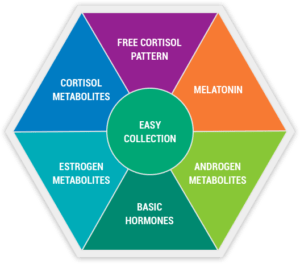 What the DUTCH Test Measures
Cortisol — the full daily pattern
Rather than a single cortisol reading, the DUTCH Test captures cortisol at four points across the day — morning, midday, afternoon, and evening — plus the cortisol awakening response. This pattern reveals whether your adrenal function is genuinely depleted, whether your stress response is dysregulated, and at what point in the day the disruption is happening. This level of detail changes what we do clinically — a flat cortisol curve requires a different approach to a curve that peaks late and doesn’t drop at night.
Oestrogen and its metabolites
The DUTCH measures oestradiol, oestrone, and oestriol, and critically, the downstream metabolites that show how oestrogen is being broken down. Some metabolic pathways are protective; others are associated with oestrogen dominance symptoms and longer-term risk. Knowing which pathway is dominant allows us to target liver detoxification support and dietary interventions precisely.
Progesterone
Low progesterone is one of the most common and underdiagnosed hormonal patterns we see — particularly in perimenopause and in younger women with luteal phase defects, PMS, or cycle irregularities. The DUTCH measures progesterone metabolites that give a more accurate picture of true progesterone output than serum testing alone.
Testosterone and DHEA
Relevant for both men and women. Low androgens contribute to fatigue, low libido, poor muscle tone, and motivation difficulties. Elevated androgens drive acne, hair loss, and PCOS presentations. DHEA is a precursor hormone that supports energy, resilience, and immune function — and is frequently depleted in burnout and chronic stress presentations.
Melatonin
Melatonin is assessed through its primary urinary metabolite. Disrupted melatonin is a common finding in clients with sleep onset difficulties, poor sleep quality, and night waking — particularly where cortisol patterns are also dysregulated.
Who the DUTCH Test Is Most Useful For
We find the DUTCH Test most valuable for:
- Perimenopause and menopause — where symptoms include hot flushes, night sweats, mood changes, weight gain, and sleep disruption
- Oestrogen dominance — heavy or painful periods, PMS, bloating, breast tenderness, and hormonal weight gain
- Adrenal fatigue and burnout — where the cortisol pattern reveals whether the adrenal system is depleted, dysregulated, or both
- PCOS — where androgen levels and oestrogen metabolism are both relevant to the clinical picture
- Hormonal mood disturbance — anxiety, irritability, or low mood that tracks with the cycle or worsens around menopause
- Low libido and fatigue with a suspected hormonal driver
- Monitoring hormone replacement therapy — tracking how hormones are being metabolised on HRT or bioidentical hormones
Need more than hormones?
The DUTCH Test is focused on hormones and their metabolites. If your presentation also involves chronic fatigue, brain fog, mood disturbance, or weight loss resistance that doesn’t seem purely hormonal, the OMX Organic Acids Test looks deeper — mapping mitochondrial function, neurotransmitter metabolism, B vitamin status, oxidative stress, and detoxification pathways.
Many clients with complex presentations benefit from both tests. We discuss which approach suits your case at the initial consultation.
Frequently Asked Questions
How is the DUTCH Test different from a hormone blood test?
A blood test measures hormone levels at a single point in time. The DUTCH Test collects urine samples across the day, capturing the pattern of how hormones move and fluctuate rather than a single static reading. More importantly, it measures hormone metabolites — what the body does with hormones after they’ve been produced — which a blood test cannot show. This is where the real clinical picture often lives.
Do I need to stop any medications or supplements before the test?
Certain hormonal medications, including the oral contraceptive pill and hormone replacement therapy, will affect results. Whether to pause them depends on the clinical question we’re trying to answer. This is discussed at the consultation when the test is ordered. Do not stop any prescribed medications without first speaking to your prescribing doctor.
When in my cycle should I collect the sample?
For women with a regular cycle, timing the collection to the luteal phase — typically day 19–21 of a 28-day cycle — gives the most clinically useful picture of progesterone output and oestrogen balance. For perimenopausal or postmenopausal women, and for men, timing is less critical. We provide specific instructions based on your cycle at the time of ordering.
How long does it take to get results?
Approximately two to three weeks from the date the laboratory receives your sample. We contact you to arrange a follow-up consultation once results are in, and review them in detail before that appointment so the time is spent on what the findings mean and what we’re going to do about them.
Is the DUTCH Test covered by Medicare or private health insurance?
The DUTCH Test is not covered by Medicare. Some private health funds provide a rebate on naturopathic consultations, which includes consultation time spent reviewing and interpreting results. Check with your fund for your specific entitlements. Test costs are separate to consultation fees and are discussed at the initial consultation.
We offer the DUTCH Test to clients from Malvern East, Malvern, Toorak, and Glen Iris, and from South Yarra, Armadale, Hawthorn, Camberwell, and Caulfield.
Understand what your hormones are actually doing.
The DUTCH Test is ordered through an initial naturopathic consultation at MNHC.
[ CALL (03) 9572 3211 ]
265a Waverley Road, Malvern East, Melbourne
””
 What is the DUTCH test?
 What is the DUTCH test?
The DUTCH (Dried Urine Test for Comprehensive Hormones) test is a state-of-the-art diagnostic tool that measures hormones and their metabolites using dried urine samples. It offers a comprehensive assessment of hormone levels, including cortisol, estrogen, progesterone, testosterone, and their metabolites, providing a detailed picture of your hormonal balance and overall health.
How can our Naturopaths use the DUTCH test to help you?
At Malvern Natural Health Care, our experienced Naturopaths utilize the DUTCH test as part of our integrative approach to healthcare. By analyzing your hormone levels and their metabolites, we can gain valuable insights into various health conditions and develop personalized treatment plans to restore balance and optimize your well-being.
- Identifying Hormonal Imbalances: The DUTCH test allows us to identify imbalances in your hormone levels, which can be crucial in understanding the underlying causes of health concerns such as fatigue, mood swings, weight gain, insomnia, menstrual irregularities, and more. By pinpointing hormonal imbalances, we can develop targeted treatment strategies to address your specific needs.
- Assessing Stress Response: The DUTCH test measures cortisol levels throughout the day, providing valuable information about your body’s stress response. This is especially important in today’s fast-paced world, where chronic stress can lead to a range of health issues. By evaluating your cortisol levels, we can develop effective stress management strategies to support your overall well-being.
- Optimizing Hormonal Health: With a comprehensive understanding of your hormonal profile, our Naturopaths can create personalized treatment plans to optimize your hormonal health. This may involve nutritional and lifestyle recommendations, targeted supplementation, herbal medicine, and other natural therapies tailored to your unique needs. Our goal is to restore balance and enhance your overall vitality and quality of life.
The DUTCH test includes:
- Metabolites of Oestrogens (10, including E1, E2, E3, 2-OH-E1, 4-OH-E1, 16-OH-E1, 2-methoxy-E1)
- Androgens (8, including Testosterone, DHT and DHEA-S)
- Progesterone (2)
- Cortisol Markers (4)
- Cortisol Metabolites (4)
- Melatonin
- 8-OHdG
- Neurotransmitter Metabolites (3, HVA, VMA, Quinolinate)
- Nutritional Organic Acids (6, b-Hydroxyisovalerate, Indican, MMA, Xanthurenate, Kynurenate, Pyroglutamate)
A Clinical Example of The DUTCH Test
For example, a patient came to us with symptoms of fatigue and low mood. They had previously been to their GP and had been told that their blood test results were normal. After undergoing the DUTCH test, we identified that the patient had low levels of cortisol in the morning, which was contributing to their fatigue. We also identified that they had high levels of estrogen metabolites, which were contributing to their low mood.
Based on this information, we developed a treatment plan for the patient that included nutritional supplements to support adrenal function and reduce inflammation, lifestyle changes to reduce stress, and herbs to support estrogen metabolism. After several months of treatment, the patient reported significant improvements in their energy levels and mood, and their follow-up DUTCH test showed a significant improvement in their hormone levels.
In summary, the DUTCH test is a valuable tool that our Naturopaths use to assess hormone imbalances in patients with complex conditions. By identifying imbalances and developing personalized treatment plans, we can help our patients achieve better health outcomes and improve their quality of life.
Take the first step towards improved health and hormonal balance. Schedule a consultation with our knowledgeable Naturopaths at Malvern Natural Health Care.
We offer the DUTCH Test to clients from Malvern East, Malvern, Toorak, and Glen Iris, and from South Yarra, Armadale, Hawthorn, Camberwell, and Caulfield.
”Close”
SPECIALIZED IN-HOUSE TESTING
We offer an extensive range of in-house medical testing to help locate the cause of illness, identify deficiencies, help with preventative planning, and monitor progress.

Live blood Screening
Live Blood Analysis is an excellent tool for unlocking the secrets held within your blood cells. This test consists of taking a single drop of your blood and viewing it under a powerful microscope.
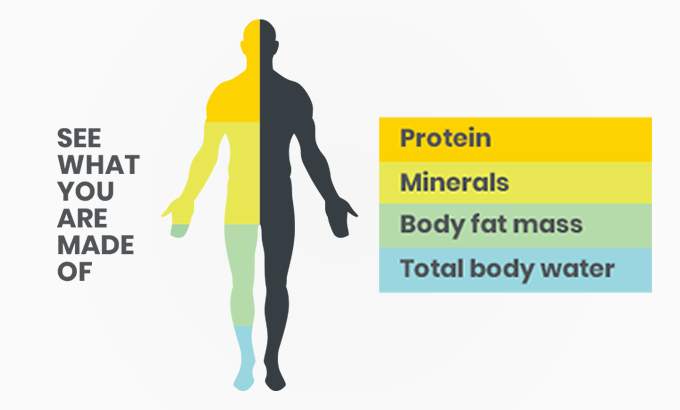
Body Composition
Body Composition Analysis - or Bio-impedance Analysis is a versatile test that measures and assesses your body's current muscle mass, fat mass, cellular fluid balance, biological age and more.
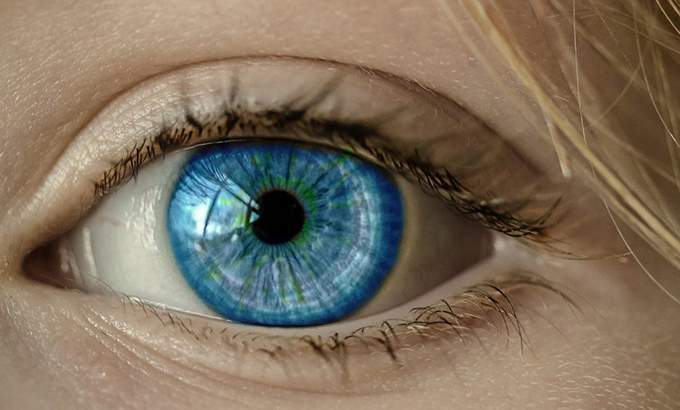
Iridology
Iridology is an exceptional analytical tool where the Naturopath studies the colour, structure and traits of your eye - or more specifically - your iris.
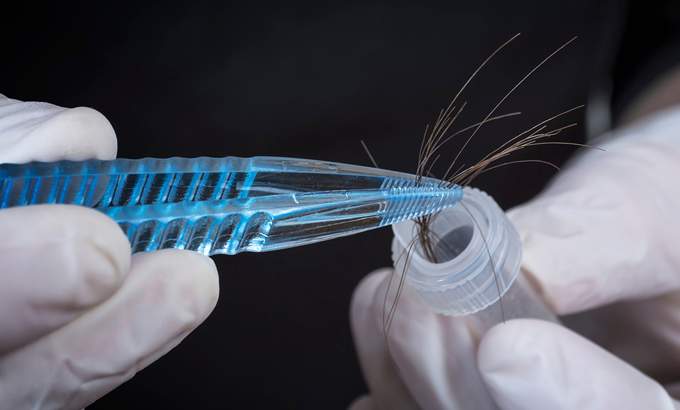
Tissue mineral analysis
HTMA is a safe and non-invasive pathology test. It measures the levels and comparative ratios of nutrients and toxic minerals found in hair.
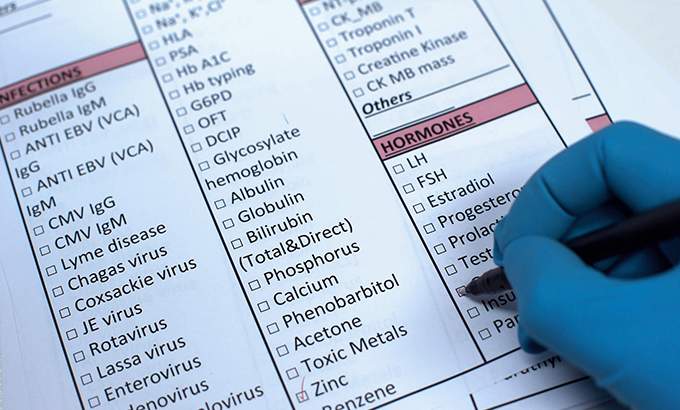
Baseline hormone profiles
The Baseline Hormone Profile provides valuable information on an individual’s hormonal status and the potential impact this may have on physical and emotional health.

Digestive stool analysis
A stool analysis is a series of tests done on a stool (feces) sample to help diagnose certain conditions affecting the digestive tract. These conditions can include infection such as from parasites, viruses, or bacteria.

Fructose, gluten and lactose testing
These tests provide information about the digestion of certain sugars, carbohydrates or proteins, e.g. milk sugar (lactose), fruit sugar (fructose) or seed storage proteins (gluten).
Schedule A Visit Or Call Us Now