




Insulin Resistance Treatment for Blood Sugar, Weight and Energy
One of the most common underlying drivers of weight gain, cravings, fatigue and unstable blood sugar. If your metabolism has been the problem, this is where we start looking properly.
In addition to face to face appointments, we offer online consultations by phone or video using Telehealth.
Insulin resistance treatment starts with understanding what is happening behind the scenes. Insulin resistance is a metabolic pattern where the body stops responding to insulin as well as it should. The result is not always obvious at first. Blood sugar may still look “normal”, but insulin may be working harder in the background to keep it there.
This is where many people get missed. They are gaining weight around the middle. They are tired after meals. They crave sugar, crash in the afternoon, wake tired, struggle with PCOS symptoms, or cannot lose weight despite doing what they have been told. Standard advice is often to eat less and exercise more. Sometimes that helps. Often, it does not go far enough.
At MNHC, insulin resistance treatment is not treated as a willpower issue. We look at the drivers underneath it — blood sugar control, stress, sleep, hormones, inflammation, gut health, muscle mass, diet, nutrient status and metabolic function. The aim is to understand why your body is storing weight, why cravings are happening, and why your energy is not stable.
| What it is | Reduced response to insulin, often causing higher insulin output and metabolic strain. |
| Common signs | Abdominal weight gain, cravings, fatigue after meals, brain fog, energy crashes, hunger soon after eating, PCOS-related symptoms. |
| Treatment focus | Blood sugar balance, insulin sensitivity, nutrition, lifestyle, hormones, sleep, stress and metabolic health. |
| Assessment | Symptoms, health history, food patterns, stress, sleep, digestion, weight history, hormones and relevant pathology. |
| Who it may help | People with insulin resistance symptoms, weight gain, PCOS, blood sugar imbalance, pre-diabetic patterns or difficulty losing weight. |
| Booking | Call MNHC on (03) 9572 3211 or enquire online. |
What Is Insulin Resistance?
Insulin is the hormone that moves glucose from the blood into the cells, where it can be used for energy. When the cells become less responsive to insulin, the body has to push harder. It produces more insulin to get the same job done. For a while, blood sugar may stay within range because the body is compensating. That does not mean everything is fine.
It means the system is under pressure. Over time, this can affect weight, appetite, energy, hormones and inflammation. It can also increase the risk of pre-diabetes and type 2 diabetes if the underlying pattern is not addressed. This is why insulin resistance matters before diabetes develops. It is often the warning sign before the bigger diagnosis.
Why Standard Weight Loss Advice Often Fails
A lot of people with insulin resistance have already tried to lose weight. They have cut calories. They have skipped meals. They have removed bread, pasta, sugar, fruit, snacks, or anything else they were told was the problem. Some have tried fasting. Some have exercised harder than their body could handle. The result is often the same: a little progress, then a plateau, then cravings, tiredness and weight returning. That is because insulin resistance is not only about calories. It is about how the body is using fuel.
When insulin is high, the body is more likely to store energy and less likely to access stored fat easily. This is one reason abdominal weight gain is so common. It is also why people can feel hungry even when they are eating enough. If stress, poor sleep, inflammation, hormonal changes or gut issues are also present, the problem becomes even harder to shift with basic dieting. This is the difference between weight loss advice and metabolic treatment.
 Insulin Resistance Symptoms
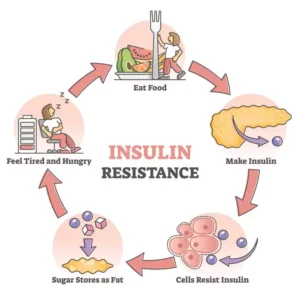 Insulin Resistance Symptoms
Insulin resistance symptoms are often subtle at first. People blame themselves, or assume they are simply tired, stressed or getting older. We commonly see insulin resistance linked with:
- Weight gain around the abdomen
- Difficulty losing weight despite effort
- Sugar or carbohydrate cravings
- Feeling sleepy after meals
- Energy crashes in the afternoon
- Brain fog or poor concentration
- Hunger soon after eating
- Irritability or shakiness when meals are delayed
- Irregular cycles, acne or PCOS-related symptoms
- Blood sugar or cholesterol markers starting to move in the wrong direction
One of the most common patterns is insulin resistance weight gain. This is usually not evenly spread weight. It often sits around the middle and feels unusually hard to move.
What Drives Insulin Resistance?
There is rarely one cause. Diet can be a major factor, especially when meals are high in refined carbohydrates, sugar, processed foods or frequent snacking. But diet is not the whole story. Stress can drive insulin resistance through cortisol and nervous system activation. Poor sleep can make blood sugar regulation worse almost immediately. Low muscle mass reduces the body’s ability to use glucose efficiently. Inflammation makes insulin signalling harder. Gut dysfunction can affect appetite, weight regulation and immune activity.
Hormones matter too. Thyroid function, adrenal stress patterns, perimenopause, menopause, testosterone changes and PCOS can all influence insulin sensitivity. Nutrient deficiencies may also be relevant. Magnesium, chromium, zinc, B vitamins, vitamin D and omega-3 status can all affect metabolic function in different ways. The point is not to treat everything at once. The point is to identify what is actually relevant in your case.
 Natural Insulin Resistance Treatment at MNHC
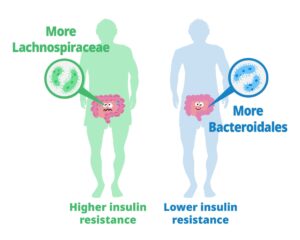 Natural Insulin Resistance Treatment at MNHC
Natural insulin resistance treatment at MNHC starts with a detailed assessment. We look at your symptoms, your food pattern, your stress load, your sleep, your digestion, your weight history, your energy, your hormones, your family history and what you have already tried. If you have recent blood tests, we review them. If further investigation is needed, we may suggest discussing relevant testing with your GP or arranging appropriate testing where available.
This may include markers such as fasting glucose, HbA1c, fasting insulin, cholesterol, triglycerides, liver markers, thyroid markers and inflammation markers. The right tests depend on the person. Your treatment plan may include nutritional changes, herbal medicine, targeted nutrients, meal timing, movement, stress regulation, sleep support and strategies to reduce blood sugar spikes.
This is not a generic diet sheet. If breakfast is driving cravings, we fix breakfast. If sleep is driving appetite, we work on sleep. If stress is pushing night eating, we address stress. If PCOS is part of the picture, we do not ignore the hormonal side. If gut symptoms are present, we consider whether inflammation or microbiome changes are affecting the metabolic pattern. The treatment has to match the person.
How Our Insulin Resistance Treatment Works
The first step is finding the pattern.
Some people are high-stress, under-slept and living on coffee until lunchtime. Some eat well during the week, then crash into cravings at night. Some have been dieting for years and their body is exhausted. Some have PCOS and have never had the insulin side properly addressed. Some have blood tests that are “not bad enough” for medication, but clearly not ideal. These are different cases.
At MNHC, we build the treatment around what is most likely to move the system. That may include:
- Increasing protein at the right meals
- Improving fibre intake
- Choosing carbohydrates more carefully
- Reducing glucose spikes
- Adjusting meal timing
- Supporting liver and digestive function
- Improving sleep quality
- Reducing stress load
- Building or protecting muscle
- Supporting hormones where relevant
- Using herbs and nutrients where appropriate
Small changes can make a significant difference when they are targeted correctly. The aim is not perfection. The aim is better metabolic function.
Insulin Resistance and PCOS
Insulin resistance and PCOS are often connected.
Many women with PCOS have cravings, irregular cycles, acne, abdominal weight gain, difficulty losing weight and changes in mood or energy. When insulin is part of the pattern, hormonal symptoms can be harder to manage unless blood sugar regulation is addressed. This does not mean every case of PCOS is the same. It is not.
Some women need insulin support. Some need adrenal support. Some need gut and inflammation work. Some need thyroid assessment. Some need all of these looked at together. At MNHC, we do not reduce PCOS to one hormone or one symptom. We look at the full picture and treat the drivers that are actually active.
What Happens at Your Appointment?
Your first appointment is about understanding what is going on properly. We go through your symptoms, weight history, food routine, cravings, sleep, stress, digestion, cycle history if relevant, past testing, medications, supplements and previous attempts to manage the problem. From there, we explain what may be contributing to your insulin resistance and what needs attention first. You may leave with food changes, supplement or herbal recommendations, lifestyle strategies, testing suggestions and clear next steps. The plan is built around your current health picture, not a standard template.
Insulin resistance can be linked with pre-diabetes, type 2 diabetes, fatty liver, cardiovascular risk and other metabolic concerns, so medical monitoring is important. Natural treatment can support insulin sensitivity and metabolic health, but it does not replace medical diagnosis, prescribed medication or regular blood testing.
Get to the Root of Your Metabolism
If you are gaining weight around the middle, craving sugar, crashing after meals, struggling with PCOS, or being told your blood sugar is “borderline”, insulin resistance is worth investigating. You do not need another extreme diet. You need to know what your body is doing and why. MNHC offers personalised insulin resistance treatment focused on blood sugar balance, weight management, hormones, energy and long-term metabolic health.
Call (03) 9572 3211 to enquire or book an appointment.
Frequently Asked Questions
How do I know if I have insulin resistance?
Insulin resistance may show up through symptoms such as abdominal weight gain, cravings, fatigue after meals, brain fog, hunger soon after eating and difficulty losing weight. Blood testing can also help assess blood sugar and insulin-related markers.
Is insulin resistance the same as diabetes?
No. Insulin resistance can happen years before type 2 diabetes develops. Blood sugar may still be within range while insulin is already working harder than it should.
Can insulin resistance be treated naturally?
Natural insulin resistance treatment may include food changes, movement, sleep support, stress regulation, herbal medicine and targeted nutrients. The right treatment depends on what is driving the problem.
Why does insulin resistance cause weight gain?
When insulin levels are high, the body is more likely to store energy and less likely to use stored fat efficiently. This is one reason weight often sits around the abdomen.
Are insulin resistance and PCOS linked?
Yes, they can be. Many women with PCOS also have insulin resistance, which may contribute to cravings, weight gain, irregular cycles and acne.
Do I still need to see my doctor?
Yes. You should continue medical care, diagnosis, blood testing and prescribed treatment through your GP or specialist. MNHC can provide natural and lifestyle support alongside appropriate medical care.
OUR SERVICES

NATUROPATHY
Comprehensive health checks and treatments to restore health & energy for the whole person

REMEDIAL MASSAGE
Relief from back & neck pain, headaches, sciatica or other muscle & joint problems. Intuitive...

KINESIOLOGY
Kinesiology is used to balance & support physical & emotional health, to detect food intolerances & more

BOWEN THERAPY
A system of muscle and connective tissue therapy that uses the body’s own healing ability

NATURAL THERAPY
Natural therapy is a collection of completely natural medication methods for specific

NUTRITION
Tailored nutritional plans using food as medicine, nutritional testing & supplements

MINERAL THERAPY
Vitamin & mineral therapy used by Naturopathic nutritional experts to restore health & wellbeing

DIETITIAN
Are you eating the right foods for your body? Every person is different so your diet can be designed for you personally

LEAKY GUT SYNDROME
Is Leaky GUT causing your brain fog, fatigue, skin condition, mood swings or poor health?

WEIGHT LOSS
A Healthy Weight Loss Program tailored to your personal needs, time & budget with lasting results

TRADITIONAL CHINESE MEDICINE (TCM)
Traditional Chinese medicine (TCM) is one of the great medical

ACUPUNCTURE
Acupuncture for pain relief or deeper healing - Laser Acupuncture, Electro Acupuncture, Traditional needles
Schedule A Visit Or Call Us Now