



Heavy Metal & Nutritional Testing
Instant in-clinic results. No needles. No waiting. A clear picture of what your body is carrying — and what it is missing.
Heavy metal testing is available as part of any naturopathic consultation at MNHC. Our naturopaths have decades of clinical experience interpreting these results and building targeted treatment plans. No referral required.
| Tests available | Hair Tissue Mineral Analysis (HTMA) or instant in-clinic testing |
| What it measures | Heavy metals, essential minerals, vitamins, oxidative stress markers |
| How it’s booked | During a naturopathic consultation or as a stand-alone test by referral |
| Turnaround | HTMA: laboratory turnaround / In-clinic: immediate |
| Cost | $130 — covers both nutritional and heavy metal testing in one session |
| Location | 265a Waverley Road, Malvern East, Melbourne |
| Booking | Call (03) 9572 3211 to arrange |
Heavy metal accumulation is one of the most consistently overlooked factors in chronic illness — and one of the most clinically significant findings our naturopaths encounter in practice. Metals including mercury, lead, cadmium, arsenic, and aluminium accumulate silently in tissues over years, impairing cellular function, disrupting hormonal signalling, burdening the liver and kidneys, driving neurological symptoms, and generating oxidative stress that accelerates ageing and disease. Standard blood tests do not reliably detect chronic heavy metal accumulation — by the time metals appear in blood, the body is in acute exposure, not the long-term tissue burden that most people are actually carrying.
At MNHC, heavy metal and mineral testing is performed using instant in-clinic technology — results are available within minutes, within the same consultation, without needles or laboratory waiting times. For clients who prefer a laboratory-based approach, Hair Tissue Mineral Analysis (HTMA) is also available on request.

Hair Tissue Mineral Analysis (HTMA)
Hair Tissue Mineral Analysis is one of the most established methods in functional medicine for assessing long-term mineral status and heavy metal accumulation. A small sample of hair — taken from close to the scalp — is sent to a specialist laboratory for analysis. Because hair grows slowly and incorporates minerals and metals from the bloodstream as it forms, it provides a retrospective record of what the body has been exposed to and what it has retained over the preceding months.
HTMA measures the full spectrum of essential minerals — including magnesium, zinc, selenium, chromium, manganese, and others — as well as toxic heavy metals including mercury, lead, cadmium, arsenic, aluminium, and nickel. The ratio between minerals is as clinically significant as the individual levels: the calcium-to-magnesium ratio, for example, is a well-established marker of nervous system stress, while the sodium-to-potassium ratio reflects adrenal function and cellular energy.
The test is non-invasive, painless, and requires only a small amount of hair. Results are returned from the laboratory within a few days and interpreted by your naturopath in the context of your full clinical picture — not as isolated numbers, but as part of a comprehensive metabolic and toxicological assessment.
What HTMA measures
- Essential minerals: magnesium, zinc, selenium, copper, chromium, manganese, molybdenum, boron, lithium, and others
- Toxic heavy metals: mercury, lead, cadmium, arsenic, aluminium, nickel, tin, titanium, and others
- Mineral ratios: calcium/magnesium, sodium/potassium, zinc/copper — each with distinct clinical significance
Instant In-Clinic Testing
For clients who want immediate results, MNHC offers instant in-clinic testing that assesses mineral status, vitamin levels, heavy metal load, and oxidative stress markers within the same consultation — no laboratory waiting time required. This is the test many clients call to ask about after researching instant mineral and heavy metal scanning — results are available within minutes from a brief, non-invasive scan of the palm. Results are discussed with your naturopath in real time as part of your consultation.
Unlike a blood test — which only captures acute or recent exposure — this method reflects long-term mineral and heavy metal accumulation in the tissues, making it clinically relevant for the kind of chronic burden most people are actually carrying. Results include vitamin status and oxidative stress markers as part of the same assessment.
This test is useful as a starting point for clients who want an immediate overview, or as a monitoring tool to track progress over time as a treatment plan takes effect.
Who Should Consider Heavy Metal Testing?
Heavy metal accumulation is not confined to people with obvious industrial or occupational exposure. In clinical practice, our naturopaths frequently find significant heavy metal loads in clients across all backgrounds — the sources are often dietary (large fish, contaminated water, certain supplements), environmental (amalgam dental fillings, old paint, air pollution), or historical (childhood exposure that has never been addressed). Many clients have been carrying a significant toxic burden for years without knowing it.
Heavy metal testing is particularly relevant for clients experiencing:
- Unexplained fatigue, brain fog, or cognitive difficulties
- Neurological symptoms including peripheral neuropathy, tremor, or poor memory
- Chronic headaches or migraines
- Hormonal disruption — heavy metals including mercury and cadmium are endocrine disruptors
- Autoimmune conditions — heavy metal burden is frequently a contributing driver
- Cardiovascular disease — lead and cadmium in particular have well-documented cardiovascular effects
- Chronic digestive dysfunction that has not responded to other treatment
- Children with developmental, behavioural, or learning difficulties
- Anyone with significant amalgam dental fillings, past or present
- Clients who eat large predatory fish (tuna, swordfish, shark) regularly
For clients with cancer, heavy metal testing is also a standard part of the MNHC naturopathic assessment — toxic metal burden adds to the inflammatory and oxidative load the body is managing, and addressing it is part of a comprehensive supportive care approach.
What Happens After Testing?
A comprehensive treatment plan is developed to address your symptoms and your long-term health goals. Your results are thoroughly explained — what each finding means, why it matters, and what can be done about it. Dietary recommendations and nutritional supplements are discussed in detail, tailored to what your results actually show rather than a generic protocol.
Minerals play an essential role in virtually every function the body performs — energy production, immune response, hormonal balance, neurological health, detoxification, and more. Having a clear snapshot of your nutritional status is genuinely empowering. Most clients leave with a level of insight into their own biology that they have never had before, and with a practical, targeted plan to act on it.
Where heavy metals are identified as a significant burden, detoxification is approached as a structured, carefully sequenced process. It is not safe to simply flush heavy metals without first ensuring the body’s detoxification pathways — primarily the liver, kidneys, and gut — are functioning well enough to clear them once mobilised. The approach at MNHC involves preparing these pathways first, then supporting the mobilisation and excretion of metals through herbal medicine, nutritional support, dietary modification, and where appropriate, specific chelating agents. The clinic’s AirPod HBOT chamber with molecular hydrogen is also a valuable adjunct — molecular hydrogen is a potent antioxidant that helps neutralise the oxidative stress generated during the detox process.
Mineral repletion is addressed in parallel. It is not sufficient to remove toxic metals without restoring the essential minerals they displace — mercury displaces selenium and zinc, lead displaces calcium, cadmium displaces zinc. Supplement quality matters enormously here: the clinic uses pharmaceutical-grade, high-bioavailability preparations to ensure nutrients are actually absorbed and utilised.
Progress is monitored with repeat testing at appropriate intervals — so you can see objectively how your body is responding over time.
”TEXT”
Heavy Metal Testing Melbourne for Natural Health Insight
Many people search for heavy metal testing Melbourne after they have already tried many other things. They may feel tired all the time, have brain fog, poor memory, headaches, body aches, stomach problems, or just feel that their body is not working the way it should. Sometimes normal tests do not give a clear answer. This does not mean nothing is happening. Heavy metals can build up slowly in the body over many years, and people often do not know about it.
Metals such as mercury, lead, cadmium, arsenic and aluminium can come from different places. Some people have old dental fillings. Some eat large fish often. Some have had exposure through old paint, polluted air, water, work, or even past childhood exposure. At MNHC, we see heavy metal testing as one part of understanding your health properly. We also look at minerals, stress on the body, diet, lifestyle and symptoms, because all these things matter when trying to find what is really going on.
For people who want quick results, MNHC also provides instant in-clinic testing. This is done without needles and without waiting many days for a laboratory report. The test can give information about mineral levels, vitamin levels, heavy metal load and oxidative stress markers during the same visit. Your results are then discussed with the naturopath, so you know what they mean and what can be done next.
HTMA Test Melbourne for Mineral and Toxic Metal Screening
An HTMA test Melbourne is a good option for people who want a laboratory test using a small hair sample. HTMA stands for Hair Tissue Mineral Analysis. Hair grows slowly, so it can give information about minerals and toxic metals that may have been building up over the past few months.
- It checks minerals like magnesium, zinc, selenium, copper and chromium
- It also checks toxic metals such as mercury, lead, arsenic, cadmium and aluminium
- It can show mineral ratios that may relate to stress, energy and adrenal function
- The test only needs a small hair sample taken close to the scalp
- The report is explained by a naturopath, not just handed to you without meaning
This test is simple and non-invasive. It is often helpful when someone has ongoing symptoms but no clear reason has been found. At MNHC, the results are used together with your symptoms and history, so the plan is made around the person, not only around numbers on a report.
Hair Tissue Mineral Analysis Melbourne Explained
Hair tissue mineral analysis Melbourne is used to check what minerals and heavy metals may be showing in the body over time. It is not the same as a standard blood test. Blood can show what is happening more recently, but hair can sometimes give a better idea of longer-term mineral patterns and toxic metal exposure. This is why many natural health practitioners use it when looking at chronic health problems.
At MNHC, Hair Tissue Mineral Analysis looks at important minerals such as magnesium, zinc, selenium, copper, manganese and chromium. It can also check heavy metals including mercury, lead, cadmium, aluminium, arsenic and nickel. The balance between minerals is also important. For example, some mineral patterns may give information about nervous system stress, adrenal function, cellular energy and how the body is coping.
The test itself is easy. A small amount of hair is taken from close to the scalp and sent to a specialist laboratory. When the results come back, your naturopath goes through them with you in normal language. You can ask questions and understand what the results may mean. This is much better than trying to read a complicated report by yourself and guessing what to do.
Heavy Metal Detox Melbourne With Practitioner Support
People often look for heavy metal detox Melbourne because they want to remove toxins from the body. But detox is not something that should be guessed. If the body is already tired, low in minerals, or under stress, doing the wrong detox can make a person feel worse. This is why testing and guidance are important before starting.
- First, testing can help show which heavy metals may be present
- Mineral levels should be considered because the body needs minerals during detox
- The liver, kidneys and gut need support so toxins can move out properly
- Herbs, nutrients and diet may be used depending on the person
- The plan can be changed if symptoms or results show something different is needed
At MNHC, heavy metal detox is done carefully. Some people need gentle support first, before any stronger detox plan is used. Others may need more ongoing care. The aim is not to push the body too hard. The aim is to help the body work better, reduce toxic burden where possible, and support long-term health in a natural and safe way.
”Close”
Clients Reviews
Frequently Asked Questions
Is heavy metal testing the same as a blood test for heavy metals?
No — and this is an important distinction. Blood tests for heavy metals measure acute or recent exposure — what is circulating in the blood right now. They are appropriate for diagnosing acute poisoning but are poor indicators of chronic long-term accumulation, which is stored in tissues including bone, fat, and the nervous system rather than circulating in blood. The testing available at MNHC is designed specifically to assess this long-term tissue burden — which is what most people presenting with chronic symptoms are actually carrying.
How much hair is needed for HTMA?
A small amount cut from close to the scalp — roughly a teaspoon in volume. It does not need to be from a single location and can be gathered from several spots discreetly. The hair must be clean and free from chemical treatment for the most accurate results. Your naturopath will advise on collection at the consultation.
How long does it take to detoxify heavy metals?
This depends significantly on the metals involved, the level of accumulation, and the individual’s detoxification capacity. As a general guide, a structured heavy metal detoxification programme at MNHC runs over three to six months, with repeat testing to confirm progress. Some clients see significant improvements in symptoms within the first four to six weeks as the detox process begins and mineral deficiencies are corrected. Mercury is typically the most challenging metal to clear due to its affinity for the nervous system and its ability to redistribute during detoxification — which is why a carefully sequenced approach under clinical supervision is important.
Can children be tested?
Yes. Heavy metal testing is particularly valuable for children with unexplained developmental, behavioural, learning, or attention difficulties. The in-clinic test is quick, non-invasive, and suitable for children. Our naturopaths have experience working with paediatric presentations and assess children with the same thoroughness applied to adult clients.
I have amalgam fillings — should I be concerned?
Amalgam dental fillings contain approximately 50% mercury and are a documented source of ongoing mercury exposure through vapour release, particularly during chewing and teeth grinding. The evidence on the clinical significance of this exposure is debated in conventional dentistry, but in naturopathic practice this is considered a relevant factor, particularly in clients with neurological symptoms, fatigue, immune dysfunction, or autoimmune conditions. Testing provides an objective measure of whether amalgam is contributing to the client’s mercury load. Removal of amalgam fillings, if warranted, should only be considered under the guidance of a biological dentist using appropriate protocols — improper removal can temporarily increase mercury exposure significantly.
Do I need a separate appointment for heavy metal testing?
The test itself costs $130 and can be performed as a stand-alone service — including for clients referred by another practitioner. However, a naturopathic consultation is strongly recommended for interpretation, and for most clients it is essential. Results are rarely straightforward, and even experienced clinicians without specific training in this area can misread them.
A good example: zinc may appear elevated on the test when it is actually being blocked by excess copper or a competing heavy metal — meaning the client is functionally zinc deficient despite what the number suggests. Mineral ratios and relationships are just as clinically significant as individual levels, and interpreting one without the other leads to the wrong conclusions.
Interpretation is also shaped by a range of individual factors: liver and organ function, body type, stress levels, genetic variants such as MTHFR (which affects how the body converts and utilises certain nutrients including folate), and whether vitamin D is being absorbed but not activated. The clinical picture also shifts depending on what a client is dealing with — during an active infection, for example, zinc and vitamin C requirements increase and levels may appear low for reasons that are entirely appropriate in context.
The $130 test fee covers the complete assessment — including both nutritional and heavy metal markers — so there is no separate charge if you want both dimensions reviewed in the same session. Naturopathic consultation fees apply separately. Please call the clinic on (03) 9572 3211 to arrange.
SPECIALIZED IN-HOUSE TESTING
We offer an extensive range of in-house medical testing to help locate the cause of illness, identify deficiencies, help with preventative planning, and monitor progress.

Live blood Screening
Live Blood Analysis is an excellent tool for unlocking the secrets held within your blood cells. This test consists of taking a single drop of your blood and viewing it under a powerful microscope.
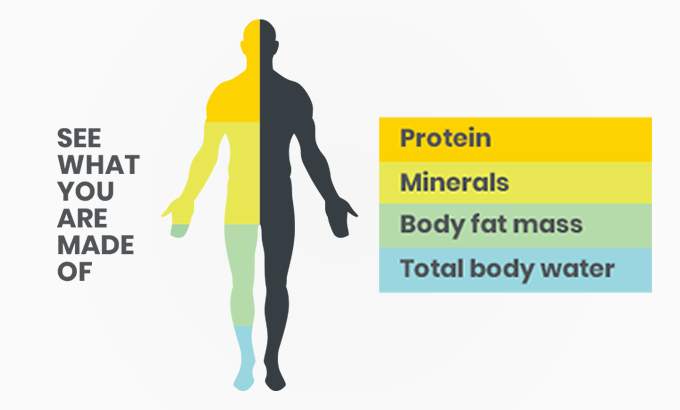
Body Composition
Body Composition Analysis - or Bio-impedance Analysis is a versatile test that measures and assesses your body's current muscle mass, fat mass, cellular fluid balance, biological age and more.

Iridology
Iridology is an exceptional analytical tool where the Naturopath studies the colour, structure and traits of your eye - or more specifically - your iris.
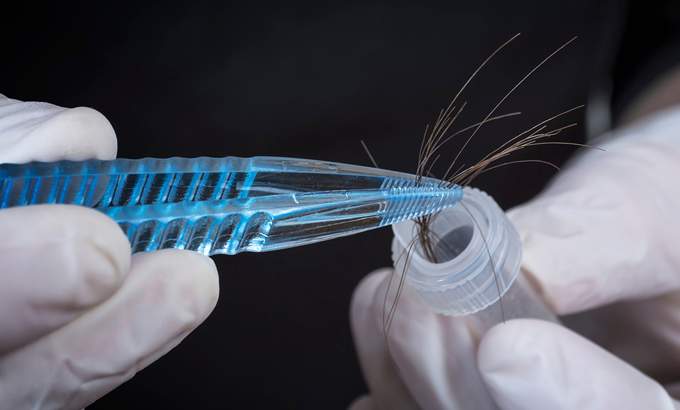
Tissue mineral analysis
HTMA is a safe and non-invasive pathology test. It measures the levels and comparative ratios of nutrients and toxic minerals found in hair.
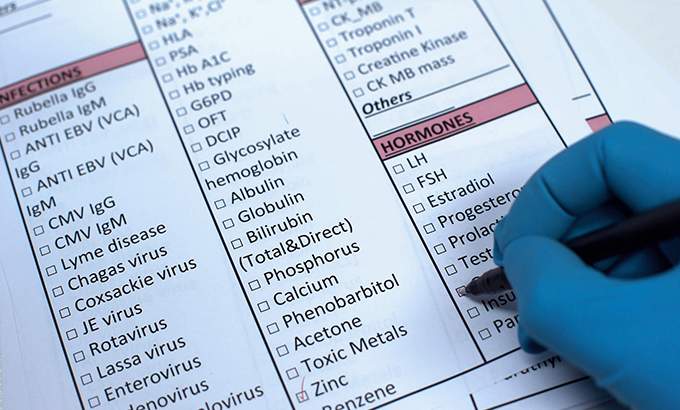
Baseline hormone profiles
The Baseline Hormone Profile provides valuable information on an individual’s hormonal status and the potential impact this may have on physical and emotional health.

Digestive stool analysis
A stool analysis is a series of tests done on a stool (feces) sample to help diagnose certain conditions affecting the digestive tract. These conditions can include infection such as from parasites, viruses, or bacteria.

Fructose, gluten and lactose testing
These tests provide information about the digestion of certain sugars, carbohydrates or proteins, e.g. milk sugar (lactose), fruit sugar (fructose) or seed storage proteins (gluten).
Schedule A Visit Or Call Us Now