





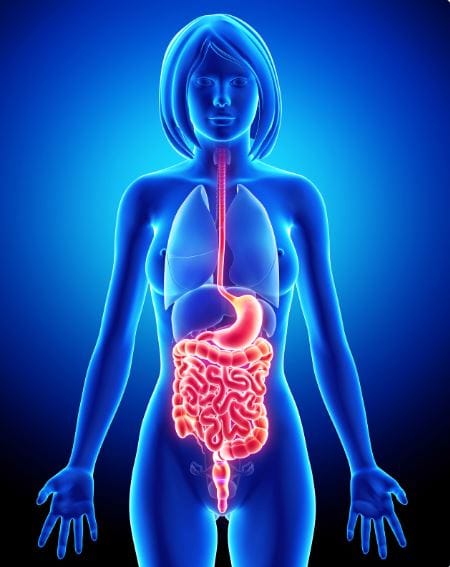
Have you ever had “butterflies” in your stomach before a big event? Or noticed digestive issues flare up during periods of stress?
That’s not just coincidence – it’s your gut-brain axis in action.
Research is continuing to uncover just how deeply connected the gut and brain really are. In fact, your digestive system and nervous system are in constant communication; influencing everything from mood and stress resilience to inflammation, sleep, immunity and even cognitive function.
When the gut is out of balance, the effects are felt far beyond digestion alone.
What Is the Gut-Brain Axis?
The gut-brain axis refers to the two-way communication network between the brain and the gastrointestinal tract.
This communication occurs through several pathways including:
- The nervous system (particularly the vagus nerve)
- Hormones and neurotransmitters
- The immune system
- The gut microbiome (the trillions of bacteria living in the digestive tract)
Rather than operating separately, the gut and brain are constantly sending signals back and forth. This means emotional stress can impact digestion — and equally, gut dysfunction can influence mood, mental clarity and nervous system regulation.
Your gut and your brain are in constant, two-way conversation — and the state of your gut has a direct, measurable impact on how you think, feel and function every day.
It’s one of the reasons why gut health has become such an important focus in modern integrative medicine.
95% of Your Serotonin Is Made in Your Gut
Many people are surprised to learn that the gut plays a major role in producing neurotransmitters — the chemical messengers involved in mood, motivation and emotional wellbeing.
Around 95% of serotonin, often referred to as the “feel good” neurotransmitter, is produced in the gut.
The gut microbiome also helps regulate:
- GABA — involved in calming the nervous system
- Dopamine — linked to motivation and reward
- Short-chain fatty acids — compounds that help regulate inflammation and brain health
When the gut microbiome becomes disrupted through factors such as stress, antibiotics, poor diet, infections or lack of sleep, these important processes can also become affected. This is why treating anxiety and depression without looking at the gut so often produces incomplete results. You’re addressing the symptom without the cause.
Stress and the Digestive System
Stress has a profound effect on digestion.
When the body is stuck in “fight or flight” mode, blood flow is diverted away from digestion and towards survival pathways. Over time, this can contribute to:
- Bloating
- Reflux
- IBS symptoms
- Changes in bowel habits
- Increased gut permeability (“leaky gut”)
- Altered microbiome balance
Chronic stress may also reduce stomach acid and digestive enzyme production, making it harder to properly break down and absorb nutrients needed for energy, hormone production and nervous system health.
This creates a cycle where stress impacts the gut — and gut dysfunction further impacts stress resilience.
The Role of Inflammation
One of the major ways the gut influences the brain is through inflammation.
A disrupted gut lining or imbalanced microbiome can trigger immune activation and inflammatory compounds throughout the body. This can play a role in:
- Brain fog
- Fatigue
- Low mood
- Anxiety
- Poor concentration
- Sleep disturbances
While mental health is always multifactorial and complex, supporting gut health can be an important piece of the puzzle for many people.
Signs Your Gut-Brain Axis Might Need Support
Some common signs of gut-brain axis dysfunction include:
- Bloating or digestive discomfort
- IBS symptoms
- Food sensitivities
- Brain fog
- Anxiety or feeling “wired”
- Poor stress tolerance
- Fatigue
- Poor sleep
- Frequent illness or immune issues
- Skin flare ups
Supporting the Gut-Brain Axis Naturally
The good news is that small, consistent changes can have a significant impact on both gut and nervous system health.
Prioritise Whole Foods
A diverse, nutrient-dense diet rich in fibre helps nourish beneficial gut bacteria. Foods such as vegetables, legumes, nuts, seeds and resistant starches help support microbiome diversity.
Fermented foods such as kefir, sauerkraut and yoghurt also help introduce beneficial bacteria.
Support Nervous System Regulation
As the gut and nervous system are deeply intertwined, practices that help shift the body into a parasympathetic (“rest and digest”) state can support digestion significantly.
This can include:
- Breathwork
- Mindfulness
- Yoga
- Gentle movement
- Time outdoors
- Sauna or heat therapy
- Prioritising sleep
Reduce Ultra-Processed Foods
Highly processed foods, excess sugar and alcohol can negatively impact the gut microbiome and contribute to inflammation.
Sleep Matters
Poor sleep can alter the gut microbiome — while gut dysfunction can also disrupt sleep quality. Supporting circadian rhythm and consistent sleep patterns plays a major role in gut-brain health.
Get Targeted Gut Support
For significant gut dysfunction, dietary changes alone are rarely enough. Specific nutrients, herbal medicines and probiotic strains can repair the gut lining and restore balance — but the right approach depends on what’s actually happening in your gut.
Test, Don’t Guess
If you’ve been managing symptoms for years without a clear answer, advanced gut testing changes the picture. The GI-MAP Test tells us the actual state of your microbiome in detail — what’s depleted, what’s overgrown, whether your gut lining is compromised. It removes the guesswork and makes your treatment plan targeted; and therefore much more efficient.
The Bigger Picture
The gut-brain axis highlights something many people intuitively feel — that mental and physical health are deeply connected.
Your gut is not just responsible for digestion. It plays a central role in immune function, inflammation, nutrient absorption, mood regulation and nervous system balance.
When we support the gut, we support the brain and body as a whole.
If you’re experiencing ongoing digestive symptoms, fatigue, brain fog, anxiety or poor stress resilience; it may be worth exploring whether the gut-brain axis could be playing a role.
When we properly address the gut, things shift. Not because it’s a magic fix — but because it was an unaddressed root cause all along.
Supporting the body holistically — through nutrition, lifestyle, nervous system regulation and a personalised treatment plan — can make a profound difference over time.
Call us on (03) 9572 3211 or visit mnhc.com.au to book.