




Nutritional & Mineral Testing
Most people are deficient in something. Few know what. This test shows you exactly where you stand.
Nutritional testing is available as part of any naturopathic consultation at MNHC. Our naturopaths have decades of clinical experience interpreting results and building targeted treatment plans. No referral required.
| What it tests | Minerals, vitamins, oxidative stress markers |
| Method | Instant in-clinic scan — non-invasive, no needles |
| Turnaround | Immediate — results discussed in the same consultation |
| Cost | $130 — covers both nutritional and heavy metal testing in one session |
| How it’s booked | During a naturopathic consultation or as a stand-alone test by referral |
| Location | 265a Waverley Road, Malvern East, Melbourne |
| Booking | Call (03) 9572 3211 to arrange |
Nutritional deficiency is far more common than most people realise — and far more consequential. The majority of people presenting with chronic fatigue, hormonal disruption, poor immunity, mood instability, skin problems, digestive dysfunction, and a wide range of other conditions are deficient in one or more key nutrients. In many cases, addressing those deficiencies is the single most impactful thing that can be done for their health.
The challenge is that standard blood tests — when they test nutritional status at all — typically only measure a narrow range of nutrients, and often flag deficiency only once it has become clinically severe. At MNHC, instant in-clinic nutritional testing provides a comprehensive snapshot of your mineral and vitamin status, as well as oxidative stress markers, within a single consultation. Results are available immediately and discussed with your naturopath in the context of your symptoms, health history, and goals. Hair Tissue Mineral Analysis (HTMA) is also available — though it covers minerals and heavy metals only, and does not include vitamin status.

Why Minerals and Vitamins Matter More Than You Think
Minerals are the foundation of virtually every biochemical process in the body. Magnesium alone is involved in over 300 enzymatic reactions — including energy production, muscle function, nervous system regulation, blood sugar control, and sleep. Zinc is essential for immune function, wound healing, hormonal balance, skin health, and cognitive performance. Selenium drives thyroid hormone conversion and is one of the body’s primary antioxidant cofactors. Chromium and manganese play central roles in insulin sensitivity and blood sugar regulation.
Vitamins are equally critical — and equally overlooked. Vitamin D functions more like a hormone than a vitamin, regulating immune response, mood, calcium metabolism, and gene expression. B vitamins are essential for energy production, methylation, and neurological health. Vitamin C is required for collagen synthesis, immune function, adrenal support, and antioxidant defence. Fat-soluble vitamins including A and E have broad roles in immunity, skin, vision, and cellular protection.
What makes nutritional assessment genuinely complex is that levels do not exist in isolation. Minerals interact with and compete against each other — excess copper suppresses zinc, excess calcium blocks magnesium, and iron and zinc compete for the same absorption pathways. A result that looks normal in isolation may tell a very different story when read alongside related markers. This is why professional interpretation of nutritional testing is essential, and why a naturopath with specific training in this area will draw different — and more clinically useful — conclusions from the same result than a practitioner without that background.
What the Test Measures
The in-clinic nutritional test provides a comprehensive assessment across three categories:
Essential minerals
Magnesium, zinc, selenium, copper, chromium, manganese, silicon, cobalt, boron, and others — the minerals your body depends on for energy, immunity, hormonal balance, and cellular function.
Vitamins
Key fat-soluble and water-soluble vitamins assessed alongside mineral status, providing a more complete nutritional picture than minerals alone.
Oxidative stress markers
An assessment of the body’s current antioxidant capacity and free radical load — a frequently unmeasured dimension of health that is consistently elevated in chronic illness, metabolic syndrome, cardiovascular disease, and post-viral conditions.
Results are not read as isolated numbers. Your naturopath reviews the full pattern — levels, ratios, and relationships between nutrients — in the context of your symptoms and clinical history. A finding that appears unremarkable in isolation may be highly significant when read alongside other markers.
Who Benefits From Nutritional Testing?
Nutritional testing is relevant across a wide range of presentations. It is particularly useful for clients who:
- Experience persistent fatigue that does not resolve with adequate sleep
- Have been told their blood tests are ‘normal’ but continue to feel unwell
- Are managing a chronic condition and want to understand their nutritional baseline
- Are considering supplementation and want to know what they actually need rather than guessing
- Have thyroid dysfunction — selenium, zinc, and iodine are essential for thyroid hormone production and conversion
- Are managing hormonal imbalances, including perimenopause and menopause
- Experience frequent illness, slow recovery, or poor wound healing
- Have mood instability, anxiety, or difficulty concentrating
- Are following a restricted diet including vegan, vegetarian, or low-carbohydrate approaches
- Are pregnant, planning pregnancy, or postpartum
- Exercise regularly and want to optimise recovery and performance
- Are managing cancer and want to ensure nutritional status is optimised alongside oncology treatment
The Most Commonly Identified Deficiencies
In clinical practice, certain deficiencies appear with striking consistency across the client population — regardless of diet quality or apparent health status. The most frequently identified include:
Magnesium
Probably the most common deficiency seen in clinical practice. Magnesium is depleted by stress, poor sleep, high sugar intake, alcohol, and many medications including PPIs and diuretics. Symptoms include muscle cramps, poor sleep, anxiety, fatigue, headaches, and constipation.
Zinc
Essential for immune function, skin health, hormonal balance, and cognitive performance. Zinc deficiency is common in vegetarians, people under chronic stress, and those with digestive dysfunction limiting absorption. Copper excess — from water pipes, cookware, or the contraceptive pill — is a frequent driver of functional zinc deficiency.
Selenium
Critical for thyroid function, antioxidant defence, and immune response. Australian soils are selenium-poor, making dietary sufficiency difficult to achieve without targeted supplementation or testing.
Vitamin D
Despite Australia’s climate, vitamin D deficiency is extremely common — particularly in people who work indoors, use sunscreen consistently, or have darker skin. Low vitamin D is associated with immune dysfunction, depression, bone loss, insulin resistance, and increased cancer risk.
Chromium
Essential for insulin sensitivity and blood sugar regulation. Consistently low in people with metabolic syndrome, weight issues, sugar cravings, and energy crashes after meals. Chromium deficiency contributes directly to insulin resistance and is one of the most underappreciated nutritional factors in metabolic health.
Clients Reviews
What Happens After Testing?
A comprehensive treatment plan is developed to address your symptoms and your long-term health goals. Your results are thoroughly explained — what each finding means, why it matters, and what can be done about it. Dietary recommendations and targeted nutritional supplements are discussed in detail, tailored to what your results actually show.
Supplement quality is a central part of the conversation. Not all supplements are equal — the form of a nutrient determines how well it is absorbed and utilised. Magnesium glycinate behaves very differently to magnesium oxide. High-bioavailability zinc bisglycinate is absorbed far more effectively than zinc sulfate. The clinic uses pharmaceutical-grade preparations specifically chosen for absorption and clinical efficacy, and your naturopath will explain exactly why each recommendation is made.
Where deficiencies are significant, dietary changes are discussed alongside supplementation — because no supplement programme replaces a nutritional foundation built through food. Progress is monitored with repeat testing at appropriate intervals so that both you and your naturopath can see objectively how your body is responding.
Frequently Asked Questions
Can’t I just get a blood test for nutritional deficiencies through my GP?
GPs can order blood tests for a limited range of nutrients — most commonly iron, vitamin D, and vitamin B12. However, the standard GP panel does not include most minerals, and the reference ranges used in conventional pathology are calibrated to identify frank deficiency rather than optimal function. A result flagged as ‘normal’ by a pathology lab may still represent a level that is suboptimal for your individual needs. The in-clinic nutritional testing at MNHC assesses a much broader range of nutrients, provides immediate results, and is interpreted in the context of your complete clinical picture rather than against a population reference range alone.
How accurate is in-clinic nutritional testing?
The technology used at MNHC is a well-validated method for assessing tissue mineral and vitamin status. It measures what is present in the tissues — which reflects long-term nutritional status — rather than what is circulating in the blood at a given moment, which can fluctuate significantly based on recent diet, hydration, and other short-term factors. As with all clinical testing, results are most useful when interpreted by a practitioner with specific training in this area, in the context of symptoms and health history rather than in isolation.
I already take supplements — will that affect my results?
Yes, potentially — though this is useful clinical information rather than a problem. If you are supplementing and your levels are still low, that tells your naturopath something important about your absorption capacity, the form of the supplement you are using, or competing factors preventing utilisation. If levels are high, that may indicate over-supplementation in a particular area. Your naturopath will take your current supplement regime into account when interpreting results and will advise whether to continue, adjust, or discontinue specific supplements as part of your treatment plan.
How is nutritional testing different from the heavy metal testing you offer?
They are performed using the same in-clinic technology within the same session if required, and there is meaningful overlap — both assess mineral status, for example. The distinction is in clinical focus. Nutritional testing is oriented around identifying deficiencies and optimising nutritional status: what your body needs more of. Heavy metal testing focuses on toxic burden: what your body is carrying that shouldn’t be there. For clients with complex presentations, both dimensions are often clinically relevant, and your naturopath will discuss which focus is most relevant for your individual presentation.
Do I need a separate appointment for nutritional testing?
The $130 fee covers the complete assessment — nutritional and heavy metal markers together — so there is no separate charge if you want both reviewed in the same session. The test can be performed as a stand-alone service, including for clients referred by another practitioner. A naturopathic consultation is strongly recommended for interpretation — results involve mineral ratios and relationships that require specific clinical training to read accurately. Please call the clinic on (03) 9572 3211 to arrange.
Clients come to us for nutritional and mineral testing from Malvern East, Malvern, Toorak, and Glen Iris, and from Carnegie, Caulfield, Bentleigh, Mount Waverley, and Oakleigh.
SPECIALIZED IN-HOUSE TESTING
We offer an extensive range of in-house medical testing to help locate the cause of illness, identify deficiencies, help with preventative planning, and monitor progress.

Live blood Screening
Live Blood Analysis is an excellent tool for unlocking the secrets held within your blood cells. This test consists of taking a single drop of your blood and viewing it under a powerful microscope.
Body Composition
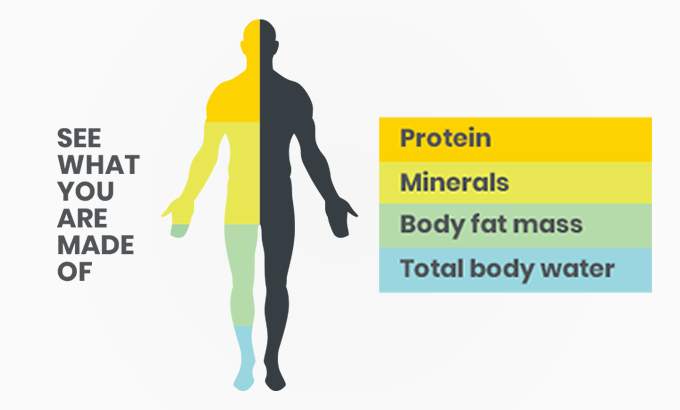
Body Composition Analysis - or Bio-impedance Analysis is a versatile test that measures and assesses your body's current muscle mass, fat mass, cellular fluid balance, biological age and more.

Iridology
Iridology is an exceptional analytical tool where the Naturopath studies the colour, structure and traits of your eye - or more specifically - your iris.

Tissue mineral analysis
HTMA is a safe and non-invasive pathology test. It measures the levels and comparative ratios of nutrients and toxic minerals found in hair.
Baseline hormone profiles
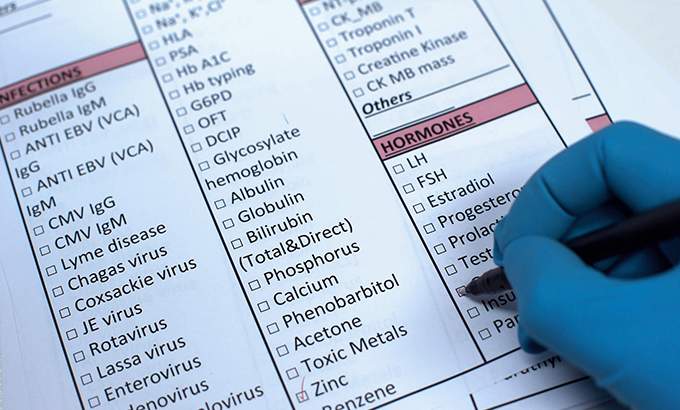
The Baseline Hormone Profile provides valuable information on an individual’s hormonal status and the potential impact this may have on physical and emotional health.

Digestive stool analysis
A stool analysis is a series of tests done on a stool (feces) sample to help diagnose certain conditions affecting the digestive tract. These conditions can include infection such as from parasites, viruses, or bacteria.

Fructose, gluten and lactose testing
These tests provide information about the digestion of certain sugars, carbohydrates or proteins, e.g. milk sugar (lactose), fruit sugar (fructose) or seed storage proteins (gluten).
Schedule A Visit Or Call Us Now