





Why does pollen make you sneeze? Why can one person eat a food without a second thought while another person breaks out in hives? And why can something completely harmless trigger such a strong reaction?
The answer is an allergy.
An allergy occurs when your immune system reacts to a substance that is normally harmless.
That substance is called an allergen.
Pollen, dust mites, mould, animal dander, certain foods, insect venom, latex and some medications can all act as allergens.
But what actually happens inside your body when you come into contact with one?
Let’s break it down.
First, your body encounters an allergen
Your immune system is constantly monitoring what enters your body.
Most of the time, harmless substances such as pollen or food proteins are recognised as harmless and don’t cause a reaction.
With an allergy, however, the immune system identifies a particular substance as a threat.
This doesn’t necessarily happen the first time you’re exposed to it.
Instead, your immune system can become sensitised to that allergen.
What is sensitisation?
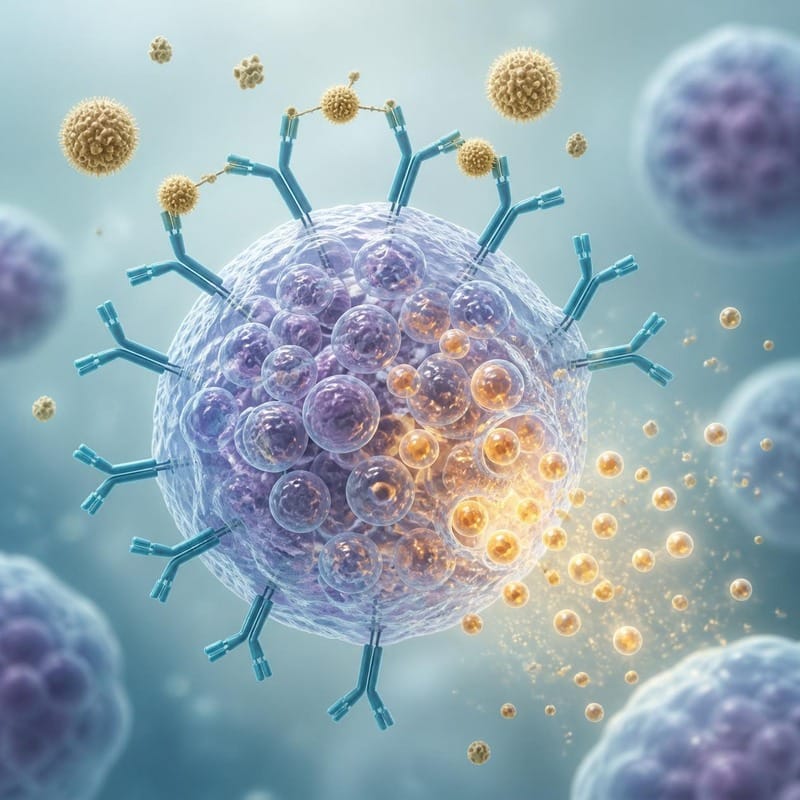
During sensitisation, the body produces antibodies called immunoglobulin E – or IgE – that are specific to the allergen.
These antibodies attach to immune cells called mast cells.
Mast cells are found throughout the body, particularly in areas that come into contact with the outside world, including the skin, lungs, nose and digestive tract.
Think of this stage as your immune system setting up an alarm system for a particular substance.
The alarm is now ready to respond the next time that allergen appears.
Then you encounter the allergen again
When you’re exposed to the same allergen again, it interacts with the IgE antibodies attached to your mast cells.
This activates the mast cells, causing them to release a range of chemical messengers.
One of the most well-known is histamine.
And this is where those familiar allergy symptoms begin.
Histamine is behind many of those annoying symptoms
Histamine affects blood vessels, nerves and surrounding tissues.
It contributes to:
- Sneezing
- Itching
- Runny or blocked noses
- Watery eyes
- Skin redness
- Hives
- Swelling
- Increased mucus production
For example, when pollen triggers hay fever, histamine contributes to the itching, sneezing, congestion and watery eyes that make spring so frustrating.
So when you’re sneezing after walking through a park, it’s not simply the pollen irritating your nose.
It’s your body’s allergic response to the pollen creating those symptoms.
Why do allergies affect different parts of the body?
Allergic reactions can look very different depending on the allergen and how you’re exposed to it.
Hay fever:
Pollen enters through the nose and airways, causing sneezing, congestion, an itchy nose and watery eyes.
Food allergies:
Eating an allergenic food can cause symptoms affecting the skin, digestive system and respiratory system, including hives, swelling, vomiting, wheezing or difficulty breathing.
Skin allergies:
Coming into contact with certain substances can trigger an itchy, red or inflamed skin reaction.
Insect allergies:
An insect sting can cause anything from a localised reaction to a serious systemic allergic reaction.
The underlying process can be similar, but the symptoms depend on where and how the body encounters the allergen.
Allergy vs intolerance – what’s the difference?
This is one of the most common sources of confusion.
An allergy involves the immune system responding to a specific allergen.
An intolerance is different and doesn’t involve the same type of immune response.
Take lactose intolerance as an example.
Someone with lactose intolerance doesn’t produce enough of the enzyme lactase to properly digest lactose. This can lead to bloating, abdominal pain and diarrhoea.
A milk allergy is completely different. The immune system reacts to proteins in milk, potentially causing symptoms such as hives, swelling, vomiting or breathing difficulties.
The symptoms can sometimes overlap, which is why identifying what’s actually causing your symptoms can be important.
What about histamine intolerance?
Histamine isn’t only relevant to allergies.
Histamine is a naturally occurring chemical in the body and is also found in a range of foods. Your body produces enzymes that help break it down.
Some people experience symptoms they associate with histamine after eating certain foods, such as headaches, flushing, itching, digestive symptoms or nasal congestion.
This is often referred to as histamine intolerance, although the mechanisms behind these symptoms are different from a classic IgE-mediated allergy and the term itself is still debated.
This is an important distinction because experiencing symptoms after eating a food doesn’t automatically mean you have a food allergy.
Not every reaction is an allergy
There are many reasons someone can react to a food, environmental substance or product.
It could be an allergy, an intolerance, irritation, sensitivity or another underlying issue.
That’s why it’s important not to automatically label every unpleasant reaction as an allergy.
Understanding the pattern of your symptoms, what triggers them, when they occur and how severe they are can provide valuable information.
When an allergy becomes an emergency
Most allergic reactions are uncomfortable rather than life-threatening.
But some can be severe.
Anaphylaxis is a serious, potentially life-threatening allergic reaction that can develop rapidly.
Symptoms can include:
- Difficulty breathing
- Swelling of the tongue or throat
- Wheezing
- Dizziness or collapse
- Widespread hives
- Vomiting
- A sudden drop in blood pressure
Anaphylaxis requires immediate medical attention. If someone is experiencing signs of anaphylaxis, call 000 and follow their prescribed anaphylaxis action plan.
Why do some people develop allergies?
There isn’t one simple answer.
Allergies develop through a combination of genetic and environmental factors.
Your genes can influence your likelihood of developing allergic disease, while your exposure to particular allergens determines what you can become sensitised to.
This is also why allergies can change throughout your life.
Some allergies begin during childhood and become less problematic as you get older. Others can appear later in life.
You can also develop allergies to more than one substance. To read more and also about how your gut impacts your allergies, click here.
Understanding your allergies
Knowing that you have an allergy is one thing.
Understanding what you’re reacting to, what triggers your symptoms and how your body responds is another.
For hay fever, it might mean identifying the types of pollen that trigger your symptoms.
For food reactions, it means distinguishing an allergy from an intolerance or another type of reaction.
For skin reactions, it can mean looking at everything your skin is coming into contact with – from cosmetics and skincare products to detergents and metals.
The more clearly you understand your triggers, the easier it becomes to take a targeted approach.
The bottom line
An allergy isn’t simply your body “not agreeing” with something.
It’s a specific immune response involving an allergen, IgE antibodies, mast cells and chemical messengers such as histamine.
Understanding what’s actually happening inside your body can make those frustrating symptoms much easier to understand – whether you’re dealing with hay fever, food allergies, skin reactions, dust mites, mould or another trigger.
At MNHC, our naturopaths look at your individual symptoms, health history, diet, lifestyle and personal circumstances to help you understand the bigger picture and develop a targeted treatment plan to support your health goals.